
Diaper changing 101: Tips for new parents in Malaysia
· Updated · 5 min read

To change a diaper, lay your baby on a clean changing pad, remove the dirty diaper, wipe gently from front to back, let the skin dry, apply diaper cream if needed, then fasten a fresh diaper snugly. Newborns usually need a change every 2-3 hours, or as soon as the diaper is wet or soiled.
In Malaysia's hot, humid weather, frequent changes matter even more for keeping your baby clean, dry and comfortable. This guide covers choosing the right diaper, setting up a changing station, the step-by-step process, hygiene, and common problems.
Choosing the Right Diaper
The first step in successful diaper changing is selecting the right diaper for your baby’s needs. Here are some factors to consider:
Types of Diapers Available in Malaysia
There are two main types of diapers in Malaysia: disposable and cloth. Here are the pros and cons of each.
| Type of Diaper | Pros and Cons |
|---|---|
| Disposable Diapers | Pros: convenient, easy to dispose of, sold everywhere. Cons: expensive over time, create a lot of waste, may contain chemicals that irritate sensitive skin. |
| Cloth Diapers | Pros: more eco-friendly and cheaper over time, reusable, may reduce the risk of diaper rash. Cons: more washing and effort, may leak if not fastened properly, not practical for every family. |
Pick the type that suits your lifestyle and budget. Many families use both, for example cloth at home and disposables when out.
Factors to Consider When Choosing a Diaper
Look at absorbency, fit and comfort. A more absorbent diaper means fewer leaks, and a good fit prevents chafing. If your baby has sensitive skin or allergies, try fragrance-free options.
Importance of Selecting the Right Size
The right size keeps your baby comfortable and stops leaks. Check the sizing chart on the pack (it goes by weight) and size up as your baby grows.
Setting up a Diaper Changing Station
A dedicated changing spot makes every change quicker and easier. Here's how to set one up:
Choosing the Right Location
Choose a spot that's easy to get to and safe, away from sharp corners and objects your baby could grab. Never leave your baby alone on a raised changing surface, even for a second.
Supplies Needed for a Diaper Changing Station
Keep everything within reach: diapers, wipes, diaper cream and a changing pad, plus a diaper pail or bin with a lid for dirty diapers.
Ensuring a Safe and Comfortable Environment for the Baby
Keep the station clean, and use a changing pad or towel so your baby has a soft surface to lie on. A mobile or some soft music can help keep your baby calm while you work.

Step-by-Step Guide to Diaper Changing
Here's how to change a diaper, step by step:
| Step | Description |
|---|---|
| Preparing for a Diaper Change | Gather all the necessary supplies and ensure the diaper changing station is clean and ready to use. |
| Removing the Soiled Diaper | Carefully remove the soiled diaper, being sure to hold your baby’s legs and bottom securely to prevent any messes. |
| Cleaning the Baby’s Bottom | Using baby wipes or a damp cloth, gently clean your baby’s bottom from front to back. Be sure to wipe thoroughly to avoid any residual feces or urine. |
| Applying Diaper Cream (If Necessary) | If your baby has a diaper rash or irritation, apply a thin layer of diaper cream to soothe the skin and prevent further irritation. |
| Putting on a Fresh Diaper | Place the clean diaper under your baby’s bottom, making sure the tabs are aligned properly. Pull the front of the diaper up and secure the tabs snugly. |
| Disposing of the Soiled Diaper and Cleaning Up | Dispose of the soiled diaper in a diaper pail or trash can and thoroughly wash your hands and any used supplies. |

Maintaining Hygiene
Diaper changes can be messy, and good hygiene stops germs and infections from spreading. Here's what to do:
Tips for Washing Hands Before and After Diaper Changing
Wash your hands before and after every change. Use soap and water and scrub for at least 20 seconds.
How to Clean and Sanitize Diaper Changing Supplies
Clean the changing pad, diaper pail and wipes container regularly with mild soap and water. A disinfectant spray or wipe gives extra protection.
Troubleshooting Common Diaper Changing Problems
Diaper rash and leaks happen to everyone. Here's how to deal with the most common problems:
| Problem | Solution |
|---|---|
| Dealing with Diaper Rash | Change diapers more often, let the skin air-dry, and apply a barrier cream. Creams with zinc oxide work well. |
| Addressing Leaks and Blowouts | Check the diaper is the right size and fastened properly, with the leg cuffs pulled out. A booster pad adds absorbency. |
| Solving Fit Issues with the Diaper | Adjust the tabs, or try a different size or brand. Every brand fits a little differently. |
Final Thoughts
Diaper changing feels awkward the first few times, but after a week or two you'll do it without thinking. Choose a diaper that fits, keep your changing station stocked, wash your hands, and deal with rashes early.
FAQs
- How often should I change my baby’s diaper? It’s recommended to change your baby’s diaper every 2-3 hours or as soon as it becomes soiled or wet.
- How can I prevent diaper leaks at night? Consider using a diaper booster pad or a nighttime diaper with added absorbency for overnight use.
- Can I reuse wipes or should I use a fresh one for each diaper change? It’s recommended to use a fresh wipe for each diaper change to maintain proper hygiene.
- What should I do if my baby develops a persistent diaper rash? See your doctor if a rash lasts more than a few days, gets worse, blisters, or comes with a fever.
- Are cloth diapers more eco-friendly than disposable diapers? Cloth diapers are generally considered more eco-friendly than disposable diapers due to their reusability, but they require more effort to maintain and may not be practical for all families.
The Most Popular Baby Gifts for Newborns
Visiting a new baby soon? Blissbies' newborn baby gift sets and hampers are put together to help babies learn through play and to support new parents. We have options for baby girls, baby boys and new parents, delivered to your doorstep.
Looking for the perfect baby gift?
See all gift sets →
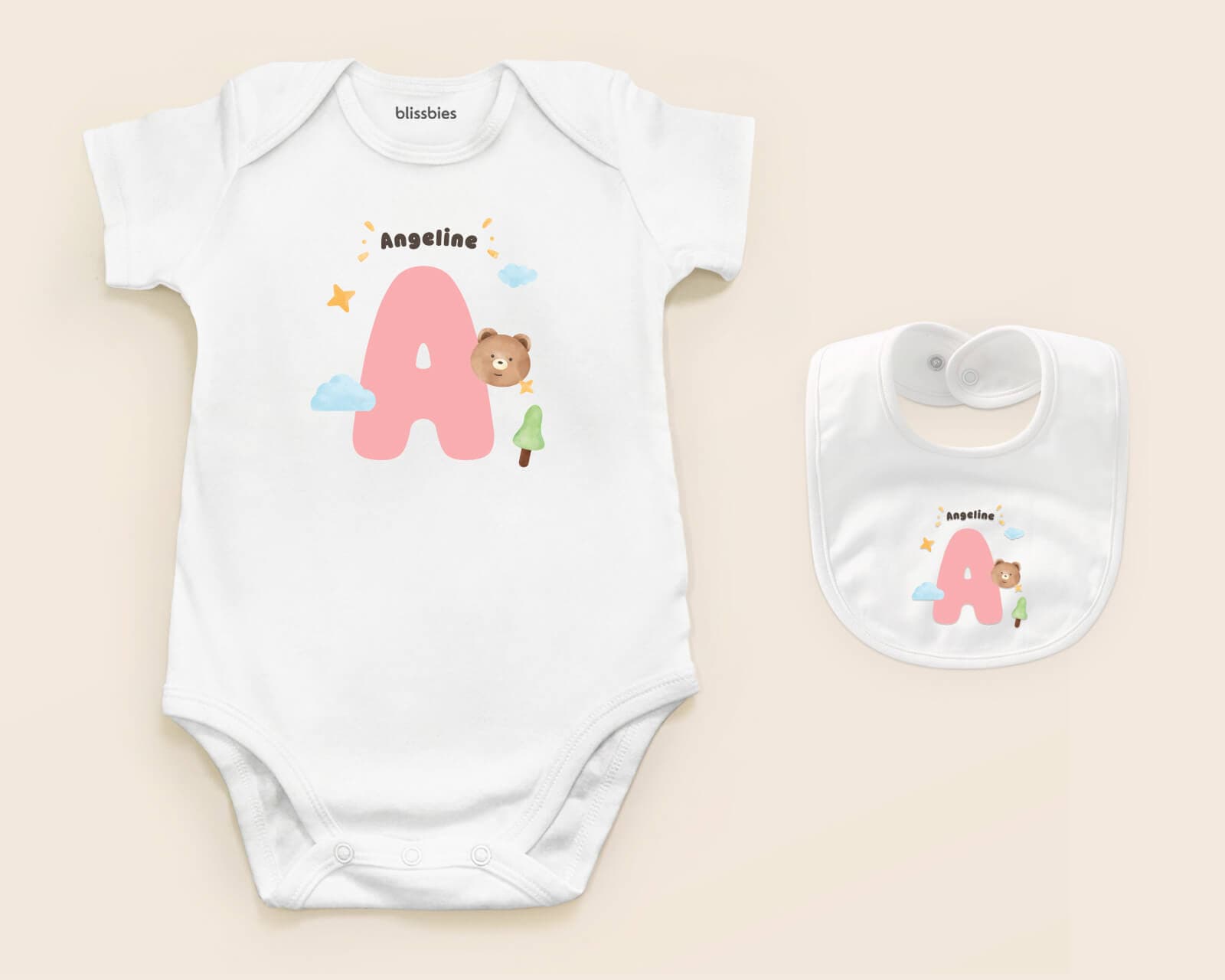
Baby Romper & Bib Set
RM59.00
Personalised baby name & various romper colours

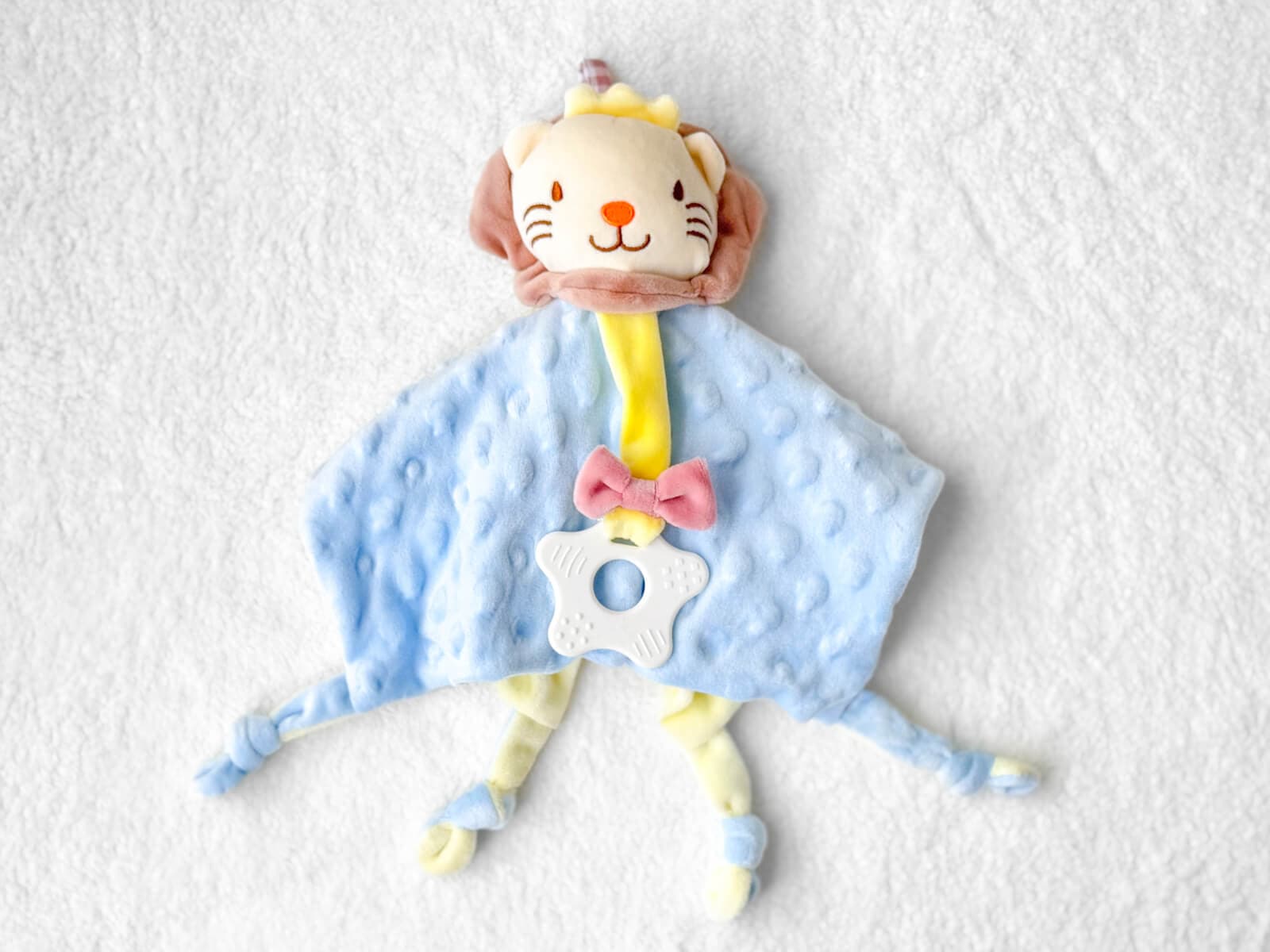
Mini Blueberry Tart
RM125.00
Choose from 3 comforter options


Baby Romper & Bib Delight Set
RM125.00
Personalised baby name & various romper colours

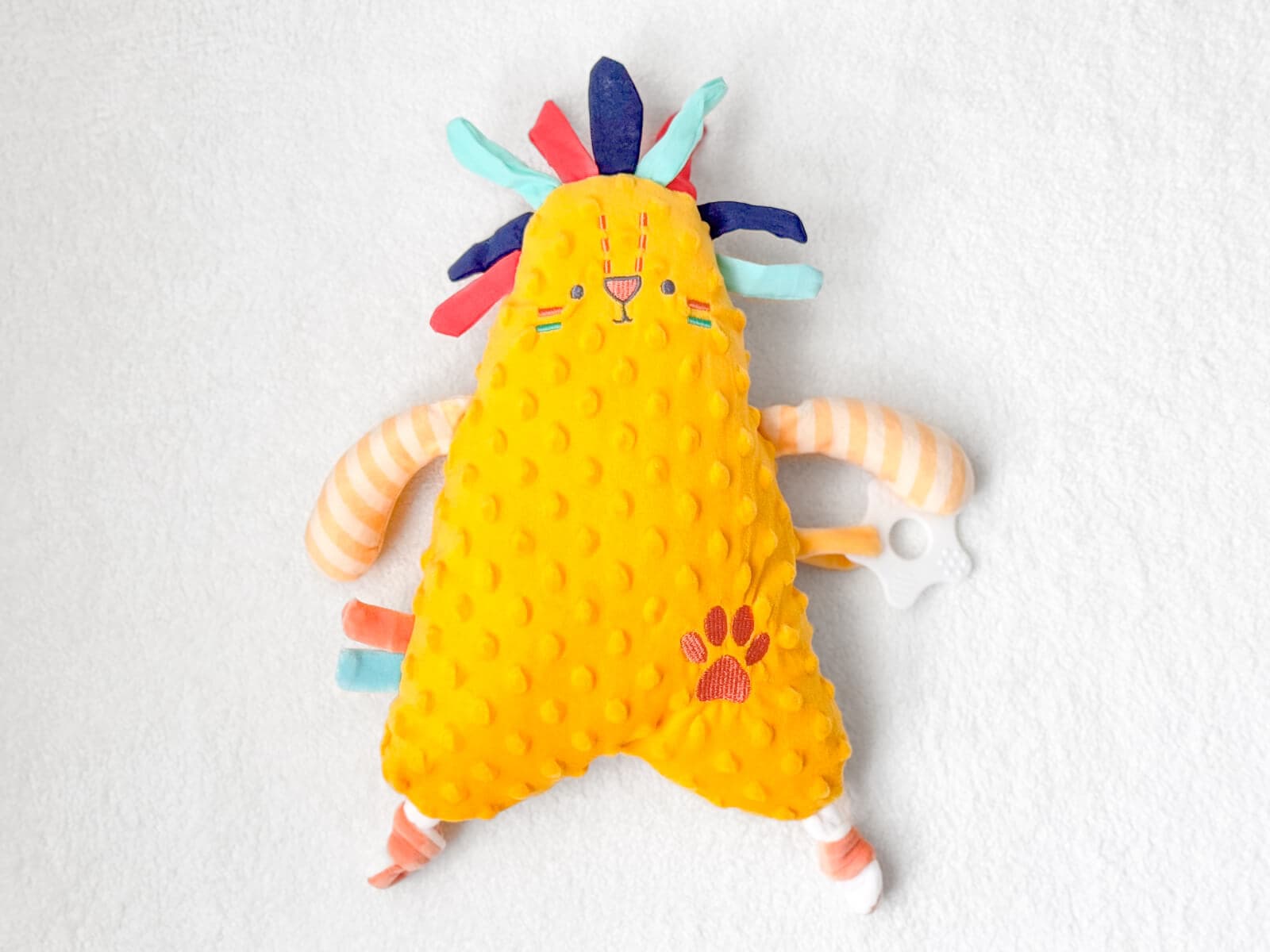
Mini Cheese Tart
RM169.00
Choose 1 from 3 different options
You might also like

Malaysia Birth Rate 2026: Latest Figures, Trends and Factors
Malaysia recorded 414,918 live births in 2024, the lowest in over four decades, and the total fertility rate fell to 1.6 children per woman. Here are the latest official figures from DOSM, how the numbers have changed over the years, and the factors behind them.

10 Best Kids Activities in KL for Families
The best kids activities in KL include Petrosains, Aquaria KLCC, the free KLCC Park playground, KidZania, Sunway Lagoon and Farm In The City. Here are 10 family-friendly places in and around Kuala Lumpur, with prices, opening hours and addresses.

First-Time Parents’ Guide to Raising a Newborn Baby in Malaysia
A practical guide for first-time parents raising a newborn in Malaysia: what to buy, feeding, sleep, diapering and bathing, health checks and vaccinations, and looking after yourself in the first months.